

Tricks And Tips On How To Get Good Auto Insurance Rates
Automobile insurance is a considerable expense in addition to what is already expensive car ownership. Insurance on the vehicles we drive is required though, and of course if there is an accident we are very happy we have it. In most cases we pay the fees and never realize the benefits. There are some things that you really need to know about auto insurance however. We present some important info in this article.
The year and options on your vehicle will play a large roll in how much your insurance premium is. Having a newer car with lots of safety features can save you some, but if you have it financed you will also have to pay more for full coverage.
When considering insurance for a young driver, be sure that it is known to the insurance provider that they will only have access to one car. This will cut the rates considerably, especially if the least valuable and safest car is chosen. Having multiple cars can be a blessing for convenience, but when rates are considered, it is not a good idea.
When you are dealing with car insurance you should always try to find ways to reduce your premium so that you can always get the best price. A lot of insurance companies will lower your rate if you are someone that drives less the 7500 miles in a year. If you can, try taking public transportation to work or even car pooling.
To help save money on car insurance, start with a car that is cheaper to insure. Buying a sporty car with a large V-8 engine can push your annual insurance premium to double what it would be for a smaller, less flashy car with a 4 cylinder engine that saves gas at the same time.
If you have a shiny new car, you won't want to drive around with the evidence of a fender bender. So your auto insurance on a new car should include collision insurance as well. That way, your car will stay looking good longer. However, do you really care about that fender bender if you're driving an old beater? Since states only require liability insurance, and since collision is expensive, once your car gets to the "I don't care that much how it looks, just how it drives" stage, drop the collision and your auto insurance payment will go down dramatically.
With your car insurance, it is important that you know what your coverage covers. There are certain policies that only cover certain things. It is important that you understand what your plan covers so that you do not get stuck in a sticky situation where you get into trouble.
Consider using liability coverage when shopping for automobile insurance. This is the lowest available coverage options required by law, and it is also the cheapest option. If you do not have a car that is worth a lot of money, this option may work for you. If you have an accident, your car will not be covered.
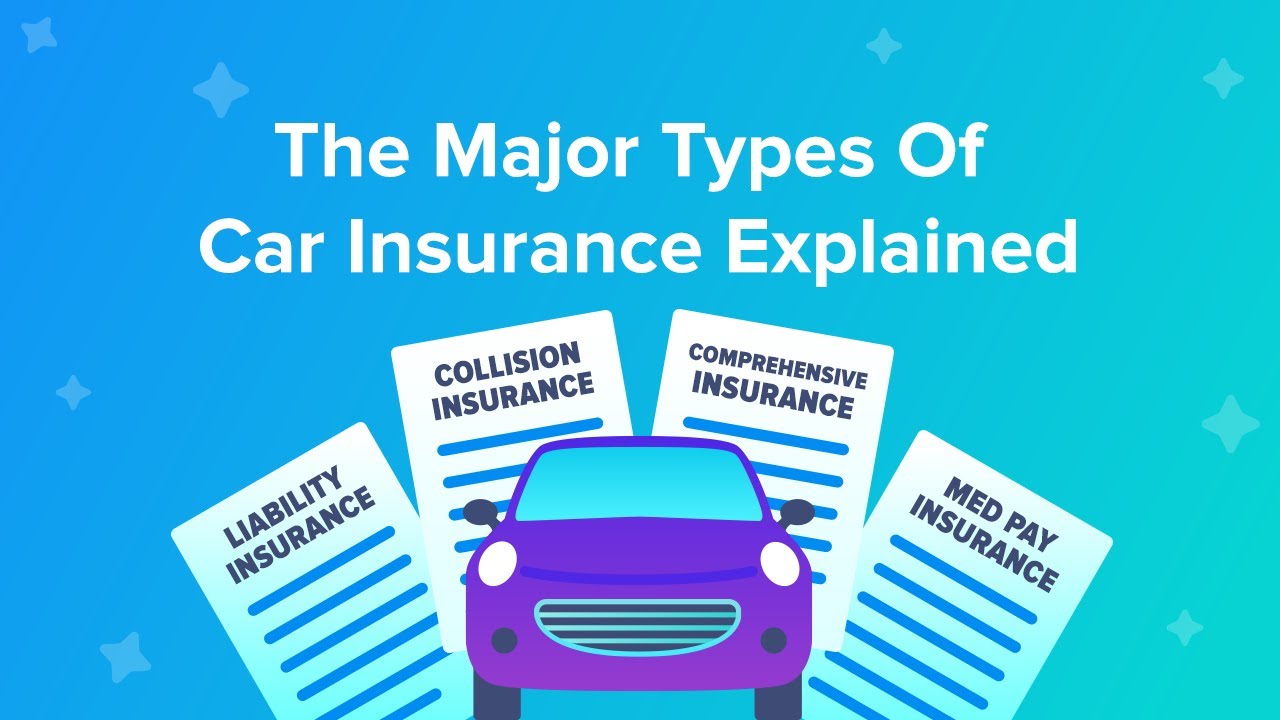
Know what the different types of coverage are and what types are available to you in your state. There is body and and property liability, uninsured motorist coverage, coverage of medical expenses, collision and comprehensive coverage. Don't assume your plan includes all types of coverage. Many insurance companies offer a la carte plans.
If you own an older model vehicle, drop your collision coverage. Most policies have a limited amount collision coverage, that will not pay for more than the blue book value. Investigate how much your vehicle is worth, and then figure out how much the added collision coverage will cost you. Paying the extra coverage amount is sometimes not worth your while.
If you are car shopping be sure to check with your auto insurance agent about how the car you are selecting will affect your premium. Different cars will have different effects on your insurance costs, and it is often difficult to predict on your own what a certain car will mean for your premiums.
Did you know that it isn't only your car that affects the price of your insurance? Insurance companies analyze the history of your car, yes, but they also run some checks on you, the driver! Price can be affected by many factors including gender, age, and even past driving incidents.
Since auto insurance premiums are based on the value of your car, you should be sure to check the price of the insurance out before buying a new car. The price of insurance also reflects the cost involved replacing parts or repairing your vehicle if you are in an accident.
When looking into auto insurance, especially, if you are looking to save money, you should check to see if your prospective insurance carrier offers multiple-policy discounts. For example, if you have health insurance with a company, see if they offer auto insurance as well and if it is offered with a discount. Sometimes, this discount can be 10 percent or more.
When determining how much auto insurance coverage you will need, you must keep in mind your driving record. If you make a long treacherous commute to work every day, or if you have a history of accidents, you should get more complete coverage. More complete coverage could include collision or comprehensive, depending on your specific requirements.
Many auto insurance policies come with an optional roadside assistance program. Consider cutting this program from your policy if you have never used it. Roadside assistance seems like a modest expenditure for a safety feature. You should evaluate your roadside assistance fees by totaling them up annually or per-use to get a better feel for the true cost of the program.
You have to have the insurance; it is an unwelcome expense in most households. Don't forget the peace of mind you experience when you've got the right cover. And you can now go about getting a better and cheaper policy based on the shrewd tips that you've just read.


