

बौद्ध धर्म, जैन धर्म, मौर्या काल, गुप्त काल GK PDF फाइल
Buddhism, Jainism, Maurya Period, Gupta Period GK PDF File.
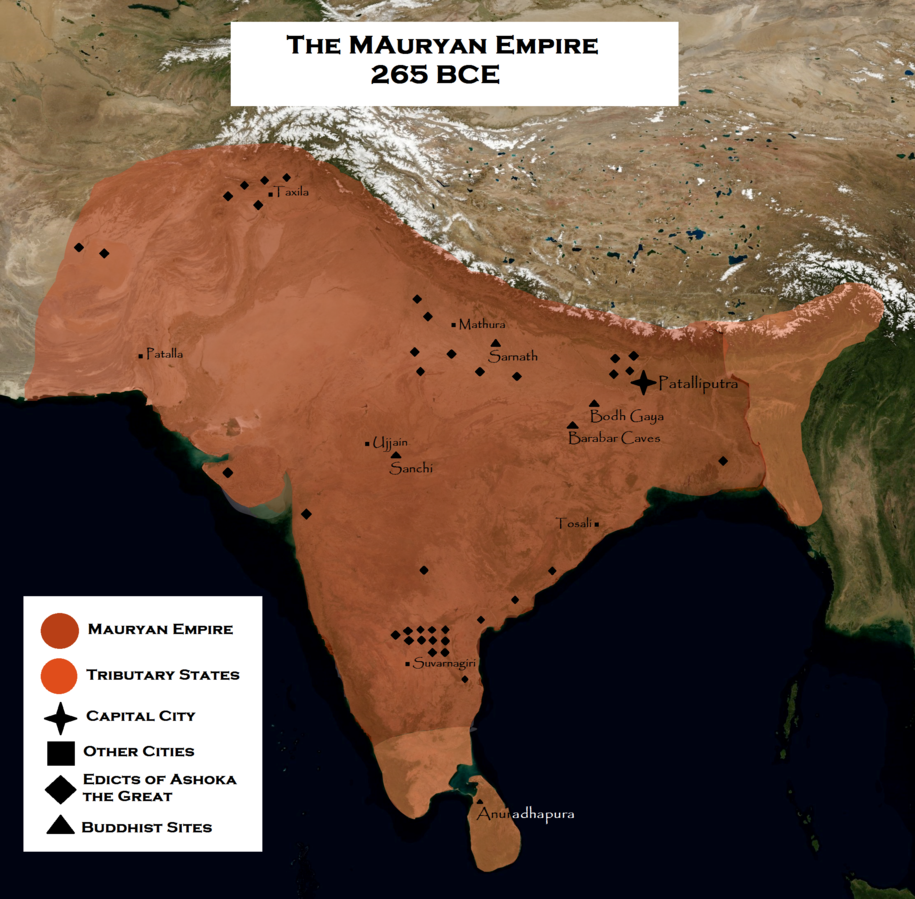
Centralization and taxation
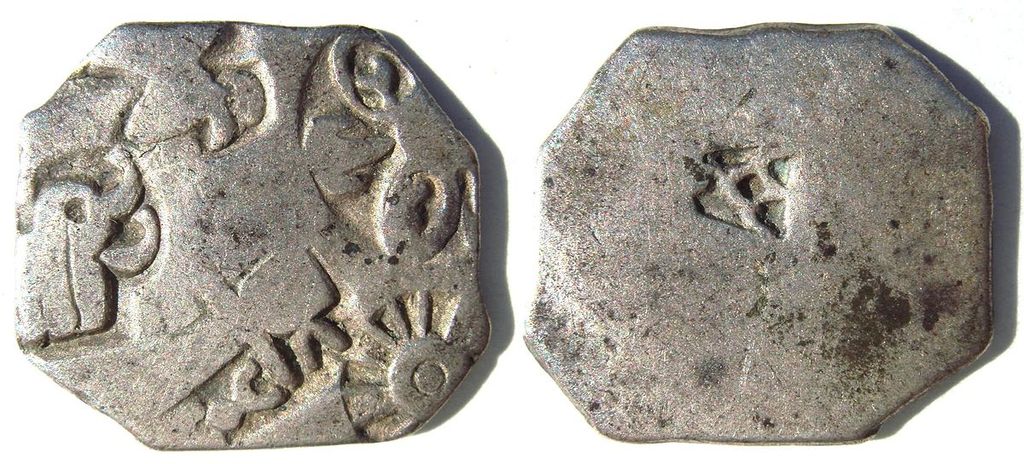
Trade and commerce
Dissolution of Maurya and rise of the Gupta Empire
Gupta Empire expansion
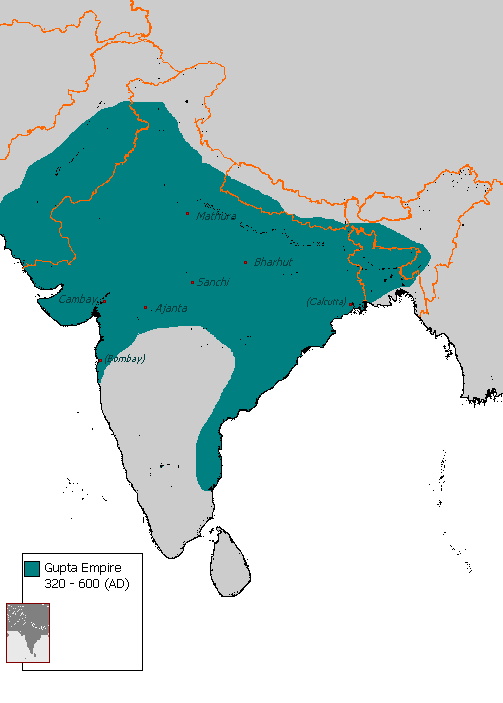
Gupta Empire of Chandragupta II
Important General Knowledge on Gupta Dynasty
Gupta Period: 319 AD -540 AD
Gupta Period or Dynasty is one of the most important periods in Indian History. Here are some important points of the Gupta Empire for your General Knowledge.
- Chandragupta-1 (319-335 AD):
- Samudragupta (335-380 AD):
- Kumargupta (415-467 AD):
- Skandagupta (455-467 AD):
Gupta’s rule lasted for more than 200 years in Magadha and over the greater part of Northern-India.
Gupta period is referred to as the “Classical Age” or the “Golden Age” of ancient India.
The founder of this dynasty is ‘SriGupta‘.
Ghatotkach Succeeded ‘SriGupta‘ and inherited the title of Maharaja.
Chandragupta-1 (319-335 AD):
Chandragupta-1 was the first and important king of the Gupta Dynasty. He acquired the title of “Maharajadhiraja“. He started the Gupta era in 319-320 AD.
He
ruled over Saketa (Ayodhya), Prayaga (Allahabad) and Magadh. He made
his kingdom more than a principality. He married a Lichchhavei princess.
Samudragupta (335-380 AD):
Samudragupta is the son of Chandragupta-1 an inscription, Prayaga Prasasti composed by Harisena, provides the most detail and authentic record of the reign of Samudragupta.
He was a great conqueror according to Prayaga Prasasti.
Samudragupta is called the “Napoleon of India” by V.A. Smith because of his military campaigns, bravery, and generalship. He believed in the policy of war and conquest.
He acquired the title of ‘Vikramanka‘ and ‘Kaviraj‘.
He had composed numerous poems of high merit and some of his coins represent him ‘Playing Vina“.
Chandragupta-2 (380-415 AD):
Chandragupta-2 is known as ‘Vikramaditya‘.
Ramagupta, who ruled for a very short period, succeeded Samudragupta, but his younger brother Chandragupta-2 killed him and married his widow ‘Dhruvadevi‘.
He issued silver coins for the first time.
He is best remembered for his patronage of learning and the arts. He built Mehrauli Iron Pillar near Kutub Minar in Delhi.
He has nine gens or ‘Navaratna‘ in his court. The nine gems are,-
Kalidasa ( Important Poetry, Raghuvanshama
, Meghadutam).Amarsinha
Dhanavantri (Medicine text book Navanitakam).
Varahmihir
Vararuchi
Velabhalt
Ghatakarna
Shaku
Kshapranak
Chinese pilgrim Fa-Hien, who wrote ‘Fo-Kuo-Ki‘ visited India at the time of Chandragupta-2.
Kumargupta (415-467 AD):
Chandragupta-2 was succeeded by his son Kumargupta.
He was the founder of Nalanda Mahavihra or Nalanda University, a renowned center of learning of ancient India.
Skandagupta (455-467 AD):
Skandagupta was the last and Important ruler of the Gupta Dynasty.
He was invaded by the Huns from central Asia during his reign. He was successful in repelling the Huns.
After his death, the empire began to decline.
- MAURYAN Dynasty: Chandragupta, Bindusara Ashoka
Administration of Gupta Rulers:
The whole empire was divided into ‘Bhuktis” or Provinces which were governed by ‘Upanikas‘.
The king directly appointed them. Provinces were also divided into a number of districts.
They issued a large number of gold coins. gold coins were known as Dinars. Silver coins were known as ‘Rupyakas‘.
- Religious Movements: Buddhism and Jainism
Society and Religion:
Both Hinduism and Buddhism was greatly practiced, but Buddhism was started to decline. At this time Bhagavat-Gita was written.
Women’s status continued to decline.
Vishnu Temple was established at this time was considered the oldest temple of India.
- Indus Civilization – Harappa and Mohenjodaro
Science:
Aryabhatta was the great Mathematician and Astronomer, wrote Aryabhatiya and Suryasiddhanta.
He was able to find the value of Pie and length of the solar year to 365.358 days.
He believed that earth was a sphere and rotate around its axis. Varahmihir wrote Panchasidhantila was an astronomer who said the moon revolves around the sun.
Next GK on The Background of Delhi Sultanate Notes MCQ
Mauryan Empire MCQs with Answers are provided in detail here. Test your intelligence by attempting the Quiz on Mauryan Empire and identify the areas of need. Solving the Mauryan Dynasty Quiz Questions frequently you can answer questions framed on the topic in your exams quite easily. You can cover the entire topic effectively by making the most out of the Mauryan Empire MCQ Questions and Answers.
Mauryan Empire History Multiple Choice Questions and Answers
1. Which dynasty ruled over ‘Magadha’ after Mauryan Dynasty?
A. Satavahan
B. Shunga
C. Nanda
D. Kanva
Answer
Answer: Option B
Explanation : The Shunga dynasty was a Brahmin dynasty, established in 185 BCE, about 50 years after Ashoka’s death, when the emperor Brihadratha Maurya, the last ruler of the Maurya Empire, was assassinated by his Senānī or commander-in-chief, Pushyamitra Shunga, while he was reviewing the Guard of Honour of his forces.
2. With which of the following centres of learning, Chanakya the famous teacher of Chandragupta Maurya, was associated?
A. Taxila
B. Nalanda
C. Vikramshila
D. Vaishali
Answer
Answer: Option A
Explanation : Taxila had great influence on Hindu culture and the Sanskrit language. It is perhaps best known for its association with Chanakya, also known as Kautilya, the strategist who guided Chandragupta Maurya and assisted in the founding of the Mauryan empire.
3. The decline of the Nandas at the hands of Kautilya and Chandragupta Maurya has been vividly portrayed in the Sanskrit play written by Kalidasa
A. Mudrarakshas
B. Devichandragupta
C. Malavikagnimitram
D. Mrichhakatika
Answer
Answer: Option C
Explanation : The Mālavikāgnimitram is a Sanskrit play by Kālidāsa. It is his first play. The play tells the story of the love of Agnimitra, the Shunga Emperor at Vidisha, for the beautiful lun-maiden of his chief queen. He falls in love with the picture of an exiled servant girl named Mālavikā.
4. Who is called as the ‘second Ashoka’ ?
A. Samudra Gupta
B. Chandra Gupta Maurya
C. Kanishka
D. Harshavardhana
Answer
Answer: Option C
Explanation : Kushana king Kanishka is also called “Second Ashoka”. Like Ashoka, Kanishka also became a convert to Buddhism. Kanishka I (कनिष्क), or Kanishka the Great, was the emperor of the Kushan dynasty in the second century (c. 127–150 CE). He is famous for his military, political, and spiritual achievements.
5. Who was the author of the Kadambari, a great romantic play?
A. Banabhatta
B. Harshavardhana
C. Baskarvardhana
D. Bindusara
Answer
Answer: Option A
Explanation : Kādambari is a romantic novel in Sanskrit. It was substantially composed by Bāṇabhaṭṭa in the first half of the 7th century CE, who did not survive to see it through completion. The novel was completed by Banabhatta’s son Bhushanabhatta, according to the plan laid out by his late father. It is conventionally divided into Purvabhaga (earlier part) written by Banabhatta, and Uttarabhaga (latter part) by Bhushanabhatta. (An alternate tradition gives the son’s name as Pulindabhatta.)
6. The Mauryan administration was highly
A. Decentralized
B. Bureaucratic
C. Centralized
D. Despotic
Answer
Answer: Option C
Explanation : It can be appropriately claimed that the Mauryan administration system, though monarchical, was sufficient because it had the privilege of possessing successful administrators such as Chandragupta Maurya, Bindusara Maurya and Ashoka.
7. Harshavardhana organised his religious assembly at
A. Mathura
B. Prayag
C. Varanasi
D. Tamralipt
Answer
Answer: Option B
Explanation : Harsha organised religious assemblies every fifth year of his reign at Prayag (Allahabad). He held six such assemblies during his reign. Whatever was left in the state treasury after five years, Harsha used to give it all in charity at that time. It is said that he used to distribute in charity even his personal belongings.
8. The author of ‘Arthashastra’ was a contemporary of
A. Ashoka
B. Chandragupta Maurya
C. Samudragupta
D. Chandragupta Vikramaditya
Answer
Answer: Option B
Explanation : Kautilya, also known as Chanakya, was believed to be the chief minister in the court of Chandragupta Maurya, a contemporary of Alexander and the first great emperor of India who ruled the subcontinent in the 4th Century BC.
9. Which event brought about a profound change in Ashoka’s administrative policy?
A. The third Buddhist Council
B. The Kalinga War
C. His embracing of Buddhism
D. His sending missionary to Ceylon
Answer
Answer: Option B
Explanation : The Kalinga War (ended c. 262 BCE) was fought in what is now India between the Maurya Empire under Ashoka and the state of Kalinga, an independent feudal kingdom located on the east coast, in the present-day state of Odisha and north of Andhra Pradesh . The Kalinga War included one of the largest and bloodiest battles in Indian history. Despite an unexpectedly fierce resistance from the Kalingans, the Maurya Empire claimed victory and annexed the state of Kalinga. Kalinga did not have a king as it was culturally run without any. This is the only major war Ashoka fought after his accession to the throne. The bloodshed of this war is said to have prompted Ashoka to adopt Buddhism.
10. Arrange the following Magadhan dynasties in chronological order-,I. Nandas,II. Shisu nagas,III. Mauryas,IV. Hariyankas
A. IV II III and I
B. II I IV and III
C. IV II I and III
D. III I IV and II
Answer
Answer: Option C
Explanation : Magadhan dynasties in chronological order: Haryankas (544 – 412 BC) Shishunags (412 – 344 BC) Nandas (344 – 322 BC) Mauryans (323 – 184BC)
11. The greatest development in the Kushana period was in the field of
A. Religion
B. Art
C. Literature
D. Architecture
Answer
Answer: Option B
Explanation : The art and culture of Gandhara, at the crossroads of the Kushan hegemony, continued the traditions of Greco-Buddhist art and are the best known expressions of Kushan influences to Westerners.
12. Who was the spatial (Sthaanik) during Mauryan’s period?
A. District Administrator
B. Provincial Administrator
C. Village Administrator
D. City Administrator
Answer
Answer: Option A
Explanation : Sthaanik were the District Administrator in Maurayan Empire. Provinces were subdivided into districts for purposes of administration, and a group of officials worked in each district.
13. Which one of the following mentioned division of the Mauryan Society into seven classes?
A. Ashoka’s Edicts
B. Indica
C. Kautilya’s Arthshastra
D. Vishnu Purana
Answer
Answer: Option B
Explanation : Indica is the book written by Megasthenes, the Greek ambassador to India around 300 Be. The division of Maurya society into seven classes was particularly mentioned in the ‘Indica’ of Megasthenes. The Indians generally were divided into seven categories, the wise men (Brahmins), farmers, herdsmen, artisans, soldiers, over lookers and government officials including army and navy officers.
14. Who, among the following, was not a part of the Mauryan dynasty?
A. Ajatsatru
B. Bindusara
C. Chandragupta Maurya
D. None of these
Answer
Answer: Option A
Explanation : Ajatshatru was born in 492 BC that is approx 200 years before Maurya. Ajatshatru was the king of Haryanka dynasty of Magadh having his capital as Rajgir.
15. Kalinga’s ruler Kharavela gave his protection to
A. Hinduism
B. Shaivism
C. Buddhism
D. Jainism
Answer
Answer: Option D
Explanation : Kharavela was a king of Kalinga in present-day Odisha, India. He ruled somewhere around first or second century BCE. Kharavela is believed to be a follower of Jainism, although the Hathigumpha inscription describes him as a worshipper of all religious orders.
16. Chandragupta Maurya was an ardent follower of __________
A. Sikhism
B. Jainism
C. Buddhism
D. Jewism
Answer
Answer: Option B
Explanation : Chandragupta thereafter built one of the largest empires ever on the Indian subcontinent. According to Jain sources, he then renounced it all, and became a monk in the Jain tradition. Chandragupta is claimed, by the historic Jain texts, to have followed Jainism in his life, by first renouncing all his wealth and power, going away with Jaina monks into the Deccan region (now Karnataka), and ultimately performing Sallekhana – the Jain religious ritual of peacefully welcoming death by fasting.
17. Arthasastra was written by
A. Dhanananda
B. Kautilya
C. Bimbisara
D. Pushyamitra
Answer
Answer: Option B
Explanation : The Arthashastra is the title of a handbook for running an empire, written by Kautilya (also known as Chanakya, c. 350-275 BCE) an Indian statesman and philosopher, chief advisor and Prime Minister of the Indian Emperor Chandragupta, the first ruler of the Mauryan Empire.
18. The monk who influenced Ashoka to embrace Buddhism was
A. Vishnu Gupta
B. Upagupta
C. Brahma Gupta
D. Brihadratha
Answer
Answer: Option B
Explanation : Upagupta (c. 3rd Century BC) was a Buddhist monk. According to some stories in the Sanskrit text Ashokavadana, he was the spiritual teacher of the Mauryan emperor Ashoka. Upagupta’s teacher was Sanavasi who was a disciple of Ānanda, the Buddha’s attendant.
19. Name the Greek Ambassador at the Mauryan Court ?
A. Alexander
B. Megasthanese
C. Plato
D. Aristotle
Answer
Answer: Option B
Explanation : Megasthenes was born in Asia Minor and became an ambassador of Seleucus I Nicator of the Seleucid dynasty to Chandragupta Maurya in Pataliputra, India.
20. The illustrious names of Aryabhatta and Varahamihir are associated with the age of the
A. Guptas
B. Kushanas
C. Mauryas
D. Palas
Answer
Answer: Option A
Explanation : The Gupta Empire was an ancient Indian empire existing from the mid-to-late 3rd century CE to 590 CE. At its zenith, from approximately 319 to 550 CE, it covered much of the Indian subcontinent. This period is called the Golden Age of India by some historians.
21. Who usurped power from the Mauryas after killing the last Mauryan ruler Brihadratha?
A. Pushyamitra Sunga
B. Agnimitra
C. Vasumitra
D. Jyesthamitra
Answer
Answer: Option A
Explanation : Brihadratha Maurya was killed in 180 BCE and power usurped by his general, Pushyamitra Shunga, who then took over the throne and established the Shunga Empire.
22. Chandra Gupta Maurya spend his last days here
A. Kashi
B. Pataliputra
C. Ujjain
D. Shravanabelagola
Answer
Answer: Option D
Explanation : During his last days Chandragupta accepted Jainsim and spent his last days at Sravanabelagola with Bhadrabahu.
23. Bindusara was the son of?
A. Ashoka
B. Akbar
C. Chandragupta Maurya
D. Shivaji
Answer
Answer: Option C
Explanation : Bindusara was the second Mauryan emperor of India. He was the son of the dynasty’s founder Chandragupta, and the father of its most famous ruler Ashoka.
24. The rulers of which dynasty started the practice of granting tax-free villages to Brahmanas and Buddhist Monks?
A. Satavahanas
B. Mauryas
C. Guptas
D. Cholas
Answer
Answer: Option A
Explanation : The Satavahanas started the practice of granting tax-free villages to brahmanas and Buddhist monks. The cultivated fields and villages granted to them were declared free from intrusion by royal policemen, soldiers, and other royal officers. These areas therefore became small independent islands within the Satavahana kingdom.
25. Which one of the following was not a characteristic of society in Mauryan times?
A. Slavery
B. Rigidity of Caste
C. Prostitution
D. Widow remarriage
Answer
Answer: Option D
Explanation : Although societies frowned on remarriage, widow remarriage was not unusual when the women’s surviving family was not able to support her and her children or did not have a male of sufficient age to ensure the family’s future.
26. Who was the Greek ambassador in the court of Chandragupta Maurya?
A. Megasthanes
B. Seleucos
C. Menander
D. Demetrias
Answer
Answer: Option A
Explanation : Megasthenes was born in Asia Minor and became an ambassador of Seleucus I Nicator of the Seleucid dynasty to Chandragupta Maurya in Pataliputra, India.
27. Which of the following was not one of the actual cause for the decline of the Mauryan empire?
A. Ashoka’s pacifist policies
B. Division of the empire after Ashoka
C. Foreign aggressions particularly Greek
D. Economic and financial crisis
Answer
Answer: Option A
Explanation : The decline of the Maurya Dynasty was rather rapid after the death of Ashoka/Asoka. One obvious reason for it was the succession of weak kings. Another immediate cause was the partition of the Empire into two. Had not the partition taken place, the Greek invasions could have been held back giving a chance to the Mauryas to re-establish some degree of their previous power. Mauryan Empire began to decline after the death of Ashoka in 232 BC. The last king was Brihadratha was assassinated by his general Pushyamitra Shunga who was a Brahmin.
28. Satvahanas minted their coins predominantly in
A. Lead
B. Silver
C. Gold
D. Copper
Answer
Answer: Option A
Explanation : The Satvahanas predominantly minted their coins in lead. They also used ‘potin’ an alloy of silver and copper to mint coins.
29. Which of the following dynasty succeeded the Mauryas?
A. Satavahanas
B. Sungas
C. Yavanas
D. Pandya
Answer
Answer: Option B
Explanation : The dynasty was established by Pushyamitra Shunga, after the fall of the Maurya Empire. Its capital was Pataliputra, but later emperors such as Bhagabhadra also held court at Besnagar (modern Vidisha) in eastern Malwa. Pushyamitra Shunga ruled for 36 years and was succeeded by his son Agnimitra.
30. The most commonly used coin during the Mauryan period was
A. Karashopana
B. Nishka
C. Suvarna
D. Kakini
Answer
Answer: Option A
Explanation : The most commonly used coin during the Mauryan period was karashopana.
31. Dharmamahamatras were __________ during the Mauryans
A. Officials
B. Buddhist Monks
C. Jain Monks
D. Soldiers
Answer
Answer: Option A
Explanation : A Mahamatra (meaning “”Officer of high rank”) was an “officer of morality” established by the Indian Emperor Ashoka (reigned 269-233 BCE). Their full title was Dhaṃma Mahāmātā, the “Inspectors of the Dharma”. They were apparently a class of senior officials who were in charge various aspects of administration and justice.
32. Who among the following was the court physician of Kanishka?
A. Vasumitra
B. Nagarjuna
C. Charaka
D. Patanjali
Answer
Answer: Option C
Explanation : Charaka was the court physician of Kanishka I. He was one of the principal contributors to the ancient art and science of Ayurveda, a system of medicine and lifestyle developed in Ancient India. He is sometimes referred to as the Father of Indian Medicine.
33. Who started the Saka Era which is still used by the Government of India?
A. Kanishka
B. Vikramaditya
C. Samudra Gupta
D. Ashoka
Answer
Answer: Option A
Explanation : The beginning of the Shaka era is now widely equated to the ascension of king Chashtana in 78 CE. His inscriptions, dated to the years 11 and 52, have been found at Andhau in Kutch region. These years are interpreted as Shaka years 11 (89 CE) and 52 (130 CE). A previously more common view was that the beginning of the Shaka era corresponds to the ascension of Kanishka I in 78 CE.
34. I. The Arthashastra, attributed to the Mauryan minister Chanakya in the 4th Century B.C., is one of the earliest Indian texts devoted to political philosophy, and it discusses ideas of statecraft and economic policy.,II. During the Indian struggle for independence in the early 20th Century, Mahatma Gandhi popularized the philosophies of ahimsa (non-violence) and satyagraha (non-violent resistance),,III. Gandhian Philosophy was influenced by the teachings of the Hindu Bhagavad Gita, as well as Jesus, Tolstoy, Thoreau and Ruskin., Which of the above statement(s) is/are correct related to the Indian Political Philosophy?
A. Only I
B. Only II
C. Both I ; II
D. I II ; III
Answer
Answer: Option D
Explanation : The Arthashastra, attributed to the Mauryan minister Chanakya in the 4th Century B.C., is one of the earliest Indian texts devoted to political philosophy, and it discusses ideas of statecraft and economic policy. During the Indian struggle for independence in the early 20th Century, Mahatma Gandhi popularized the philosophies of ahimsa (non-violence) and satyagraha (non-violent resistance), which were influenced by the teachings of the Hindu Bhagavad Gita, as well as Jesus, Tolstoy, Thoreau and Ruskin.
35. Which of the following is the correct chronological sequence of the ruling dynasties of northern India, from the decline of the Mauryas to the rise of the imperial Guptas?
A. Sungas Indo-Greeks Kushans Sakas and Guptas
B. Sungas Kushans Parthians Sakas and Guptas
C. Sungas Kanvas Indo-Greeks Sakas Parthians and Guptas
D. Kanvas Sungas Indo-Greeks Sakas Parthians and Guptas
Answer
Answer: Option C
Explanation : Sungas, Kanvas, Indo-Greeks, Sakas, Parthians and Guptas is the correct chronological sequence of the ruling dynasties of northern India, from the decline of the Mauryas to the rise of the imperial Guptas.
36. The Greek ambassador sent to Chandragupta
Maurya’s Court was
A. Kautilya
B. Seleucus Nicator
C. Megasthenes
D. Justin
Answer
Answer: Option C
Explanation : Seleucus dispatched an ambassador, Megasthenes, to Chandragupta, and later Antiochos sent Deimakos to his son Bindusara, at the Maurya court at Pataliputra (modern Patna in Bihar state).
37. Chandragupta Maurya was born in
A. 340 BC
B. 563 BC
C. 189 BC
D. 99 BC
Answer
Answer: Option A
Explanation : Chandragupta Maurya was born in 340 BC in Pataliputra, in modern-day Bihar. His background is, however, uncertain. Some claim that he was born to a Nanda prince and his maid-servant, Mura, from the Shudra caste, while others state that he belonged to the Moriya tribe of Peacock-tamers.
38. Bindusara sent Ashoka to quell the rebellion in
A. Swarnagiri
B. Taxila
C. Ujjain
D. Tosali
Answer
Answer: Option B
Explanation : The Mahavamsa suggests that Bindusara appointed his son Ashoka as the viceroy of Ujjayini. Ashokavadana states that Bindusara sent Ashoka to lay siege to Takshashila. The Emperor refused to provide any weapons or chariots for Ashoka’s expedition.
39. The great silk-route to the Indians was opened by
A. Kanishka
B. Ashoka
C. Harsha
D. Fa-Hien
Answer
Answer: Option A
Explanation : The great silk-route to the Indians was opened by Kaniskha. Silk Route was established during the reign of Han Dynasty of China. It connects China with East Europe Mediterranean countries and Central Asia, passing through India.
40. Which one of the following is the principle source of information of Ashoka’s campaign against Kalinga?
A. Pillar Edict-VII
B. Mahavamsa
C. Divyavadana
D. Rock Edict-XIII
Answer
Answer: Option D
Explanation : The rock edict XIII gives a clue that Kalinga was a country previously unconquered, thus Ashoka’s declaration of war was that of unprovoked aggression. The Kalinga war witnessed terrible manslaughter and destruction. Asoka’s victory in the Kalinga war followed by remorse. Victory of morality in India and among the Greeks (Yonas), as far as where the Greek kings Antiochus, Ptolemy, Antigonus, Magas and Alexander rule.
41. The Greeks were driven out of India by
A. Chandragupta Maurya
B. Chandragupta Vikramaditya
C. Ashoka
D. Bindusara
Answer
Answer: Option A
Explanation : And it is after Alexander’s death in 323 B.C., that Chandragupta is said to have put an end to the Greek rule in northwest India, returned to Magadha, killed the Nanda king, and proclaimed the Maurya dynasty in 322 BC.
42. Under Mauryas each province was placed under a__________
A. Prince
B. Commander
C. Council
D. Minister
Answer
Answer: Option A
Explanation : The empire was divided into four provinces, each under a prince or member of the royal family (Kumara and Aryaputra).
43. Harshavardhana moved his capital from __________ to __________
A. Thanesar Kannauj
B. Delhi Deogiri
C. Kamboj Kannauj
D. Valabhi Delhi
Answer
Answer: Option A
Explanation : Thanesar to Kannauj
44. The Greatest Kushan leader who got converted to Buddhism was
A. Kujala
B. Virna
C. Kanishka
D. Kadphises
Answer
Answer: Option C
Explanation : Kanishka was a great patron of the Buddhist faith; Buddhism spread to Central Asia and the Far East across Bactria and Sogdia, where his empire met the Han Empire of China. King Kanishka was greatly influenced by the knowledge, teachings and personality of the Buddhist scholar Asvaghosha so, he decided to embrace Buddhism in later days of his life. He even accepted the Mahayana sect of Buddhism as his state religion.
45. The official language of the Mauryan Court was
A. Magadhi
B. Prakrit
C. Mythili
D. Sanskrit
Answer
Answer: Option A
Explanation : It is believed to be the language spoken by Gautama Buddha. It was the official language of the Mauryan court, in which the edicts of Ashoka were composed. The name Magahi is directly derived from the name Magadhi Prakrit, and educated speakers of Magahi prefer to call it “Magadhi” rather than “Magahi”.
46. In which Rock Edict Ashoka mentions about the casualities of Kalinga War and declares the renunciation of war?
A. Maski Edict
B. Rock Edict XIII
C. Rock Edict XI
D. Rock Edict X
Answer
Answer: Option B
Explanation : The rock edict XIII gives a clue that Kalinga was a country previously unconquered, thus Ashoka’s declaration of war was that of unprovoked aggression. The Kalinga war witnessed terrible manslaughter and destruction.
47. Seleucus Nicator was defeated by
A. Ashoka
B. Chandragupta Maurya
C. Bindu Sara
D. Brihadratha
Answer
Answer: Option B
Explanation : The Seleucid–Mauryan War was fought between 305 and 303 BCE. It started when Seleucus I Nicator, of the Seleucid Empire, sought to retake the Indian satrapies of the Macedonian Empire which had been occupied by Emperor Chandragupta Maurya, of the Maurya Empire.
48. Which among the following is the oldest dynasty?
A. Maurya
B. Gupta
C. Kushan
D. Kanva
Answer
Answer: Option A
Explanation : Mauryan Dynasty was the first dynasty in 3rd -4th Centuries BCE, that unified the subcontinent and contributed in spreading religion (Buddhism).
49. Ashoka spread Buddhism all over India and Ceylon by
A. Teaching the Triratnas
B. Sending the Dharma Mahamantras
C. Wagins wars
D. Becoming a Buddhist Monk
Answer
Answer: Option B
Explanation : Ashoka became a upasaka of Buddha. He established an intimate relation with the Buddhist Sangha and is said to have become a monk. He undertook Dharma yatra instructing Dharma to the people. He took up pilgrimages to the birth place of the Sakyamuni. To spread the message of Dharma to the vast extent of his empire. He appointed officers in charge of religious propagation. They were called Dharma Mahamatras, to spread his ideas of Dharma and spread Buddhism all over India and Ceylon.
50. Mauryan Dynasty was founded by
A. Ashoka
B. Chandragupta Maurya
C. Pushyamitra
D. Ajatasatru
Answer
Answer: Option B
Explanation : The Maurya Empire was founded in 322 BCE by Chandragupta Maurya, who had overthrown the Nanda Dynasty and rapidly expanded his power westward across central and western India in order to take advantage of the disruptions of local powers in the wake of the withdrawal by Alexander the Great ‘s armies.
51. The capital of the Mauryan kingdom was located at
A. Pataliputra
B. Vaishali
C. Lumbini
D. Gaya
Answer
Answer: Option A
Explanation : The Maurya Empire was centralized by conquering the Indo-Gangetic Plain in the eastern extent of the empire and had its capital city at Pataliputra (modern Patna).
52. Which of the following could be the most accurate
description of the Mauryan monarchy under Ashoka?
A. Enlightened despotism
B. Centralised autocracy
C. Oriental despotism
D. Guided democracy
Answer
Answer: Option A
Explanation : The most accurate description of The Mauryan monarchy under Ashoka was Enlightened despotism.
53. Mohammed-bin-Qasim conquered Sindh in the year
A. 712
B.
C.
D.
Answer
Answer: Option A
Explanation : During the Arab invasion of Sindh (712 AD), Muhammad bin Qasim first attacked Debal, a word derived from Deval meaning temple. It was situated on the sea-coast not far from modern Karachi. It was garrisoned by 4000 Kshatriya soldiers and served by 3000 Brahmans. All males of the age of seventeen and upwards were put to the sword and their women and children were enslaved. “700 beautiful females, who were under the protection of Budh (that is, had taken shelter in the temple), were all captured with their valuable ornaments, and clothes adorned with jewels.” Muhammad despatched one-fifth of the legal spoil to Hajjaj which included seventy-five damsels, the rest four-fifths were distributed among the soldiers.
54. The best specimens of Mauryan art are represented by their
A. Stupas
B. Pillars
C. Chaityas
D. Caves
Answer
Answer: Option B
Explanation : It represented an important transition in Indian art from use of wood to stone. It was a royal art patronized by Mauryan kings especially Ashoka. Pillars are the most prominent examples.
55. Chandragupta Maurya was__________
A. A benevolent despot
B. Autocrat
C. Democrat
D. A pious ruler
Answer
Answer: Option A
Explanation : The Maurya king was an absolute ruler. He was at the apex of administration. His ideal of kingship was benevolent despotism. The main principle of administration was welfare of the people.
56. Who took the throne after Chandra Gupta Maurya?
A. Bimbisara
B. Ashoka
C. Bindusara
D. Vishnugupta
Answer
Answer: Option C
Explanation : In 298 BCE, Chandragupta voluntarily abdicated the throne in favour of his son Bindusara, who became the new Mauryan emperor. What we know after this point seems closer to legend than an actual historical account. It is said that Chandragupta turned into an ascetic and follower of Jainism.
57. Who were the immediate successors of the Mauryas in Magadha?
A. Pandyas
B. Sungas
C. Kushanas
D. Satvahanas
Answer
Answer: Option B
Explanation : The Shunga Empire was an ancient Indian dynasty from Magadha that controlled areas of the central and eastern Indian subcontinent from around 187 to 78 BCE. The dynasty was established by Pushyamitra Shunga, after the fall of the Maurya Empire.
58. In Mauryan dynasty Kalinga war took place in the year
A. 260 BC
B. 261 BC
C. 126 BC
D. 232 BC
Answer
Answer: Option B
Explanation : Ashoka lead a huge army against Kalinga. This took place in 261 B.C., the freedom loving people of Kalinga offered a stiff resistance to the Mauryan army.
59. Which one of the following item was collected only in cash under the Mauryas?
A. Kara
B. Bhaga
C. Pranaya
D. Hiranya
Answer
Answer: Option C
Explanation : Pranaya literally meaning a gift of affection, pranaya was a levy imposed by the state during emergency periods. Though first mentioned by Panini, it was elaborated upon for the first time in Arthashastra. Pranaya amounted to onethird or one-fourth of the produce according to the nature of the soil.
60. Megasthanes, the ambassador of Selucus at the Mauryan court in Pataliputra, wrote an account of the period in his book
A. Travels of Megasthanes
B. Indika
C. Indicoplecusts
D. Both (b) and (c)
Answer
Answer: Option B
Explanation : Megasthenes was an ancient Greek historian, diplomat and Indian ethnographer and explorer in the Hellenistic period. He described India in his book Indika, which is now lost, but has been partially reconstructed from the writings of the later authors.
61. In which one of the following do we come across a detailed account of the municipal administration of Mauryas?
A. The Arthashastra of Kautilya
B. The account of Megasthenes
C. The Mudrarakshasa
D. Mauryan inscription
Answer
Answer: Option B
Explanation : Megasthenes describes the administration of the armed forces as comprising of six committees with five members on each. The first committee was concerned with naval warfare, second equivalent to the modern commissariat supervising the transport of war materials, third supervising the infantry, the fourth supervising cavalry, the fifth was concerned with chariots and the sixth supervised the elephant corps.
62. Which Mauryan king holds the title of Amitraghata?
A. Bimbisar
B. Chandragupta Maurya
C. Bindusara
D. Ashoka
Answer
Answer: Option C
Explanation : Bindusara is also known as Amitraghata (amitra-enemy, ghata-slayer) in Sanskrit Literature. Strabo has named him Amitrochates or Allitrochades which are greek version of the name Amitraghata.
63. Chandragupta Maurya with the help of Chanakya decided to overthrow the Nandas because
A. Chanakya had been humiliated by the Nandas
B. the Nandas were low-born
C. the Nandas had accumulated a great deal of wealth by extortion and oppression of the people
D. Chanakya wanted to restore the ideal of Kshatriya rule
Answer
Answer: Option C
Explanation : Chandragupta Maurya with the help of Chanakya decided to overthrow the Nandas because the Nandas accumulated a great deal of wealth by extortion and oppression of the people.
64. After Alexander’s death the Eastern part of his
empire came under
A. Seleucus Nicator
B. Menander
C. Rudradaman
D. Kanishka
Answer
Answer: Option A
Explanation : After the death of Alexander in June 323 BC, Seleucus initially supported Perdiccas, the regent of Alexander’s empire, and was appointed Commander of the Companions and chiliarch at the Partition of Babylon in 323 BC. Seleucus ruled not only Babylonia, but the entire enormous eastern part of Alexander’s empire.
65. Which among the following Kavya of Sanskrit, deal with court intrigues & access to power of Chandragupta Maurya?
A. Mrichhakatika
B. Ritusamhara
C. Kumarasambhava
D. Mudrarakshahsa
Answer
Answer: Option D
Explanation : Mudrarakshasa deals with court intrigues & access to power of Chandragupta Maurya. The Mudrarakshasa is a Sanskrit-language play by Vishakhadatta that narrates the ascent of the king Chandragupta Maurya to power in India.
66. Upto where did Chandragupta Maurya’s empire extend in the north west?
A. Ravi river
B. Indus river
C. Satluj river
D. Hindukush range
Answer
Answer: Option D
Explanation : According to the Buddhist text Mahavamsa tika, Chandragupta and his guru Chanakya began recruiting an army after he completed his studies at Taxila (now in Pakistan). This was a period of wars, given that Alexander the Great had invaded the northwest subcontinent from Caucasus Indicus (also called Paropamisadae in ancient texts, now called the Hindu Kush mountain range).
67. Alexander and Porus fought a battle at
A. Hydaspes
B. Rajasthan
C. Panipat
D. Train
Answer
Answer: Option A
Explanation : The Battle of the Hydaspes was fought in 326 BC between Alexander the Great and King Porus of the Paurava kingdom on the banks of the river Jhelum (known to the Greeks as Hydaspes) in the Punjab region of the Indian subcontinent (modern-day Punjab, Pakistan).
68. Who among the following were contemporaries of Kanishka?
A. Kamban Banabhatta Ashvagosha
B. Nagarjuna Ashvagosha Vasumitra
C. Asvagosha Kalidasa Banabhatta
D. Kalidas Kamba Vasumitra
Answer
Answer: Option B
Explanation : Nagarjuna- the Mahayana Philosopher. Ashvagosha- the poet, Musician and Buddhist Monk. Vasumitra- the Buddhist Monk who presided the fourth Buddhist council. All of these were contemporary to Kushana Ruler Kanishka.
69. The correct descending order of the Mauryan officers, at the district level, was
A. Rajuka pradeshika yukta
B. Yukta rajuka pradeshika
C. Pradeshika yukta rajuka
D. Pradeshika rajuka yukta
Answer
Answer: Option D
Explanation : The correct descending order of the Mauryan officers, at the district level, was Pradeshika, rajuka, yukta.
70. With whom is ‘Junagarh Rock Inscription’ associated?
A. Rudradaman
B. Bimbisara
C. Chandragupta-II
D. Gautamiputra Satakarni
Answer
Answer: Option A
Explanation : The Junagadh rock inscription of Rudradaman, also known as the Girnar Rock inscription of Rudradaman, is a Sanskrit prose inscribed on a rock by the Western Satraps ruler Rudradaman I. It is located near Girnar hill near Junagadh, Gujarat, India. The inscription is dated to shortly after 150 CE.
71. Who amidst the following was a wife of emperor Ashoka who influenced him?
A. Chandalika
B. Charulata
C. Gautami
D. Karuwaki
Answer
Answer: Option D
Explanation : Karuvaki was the second queen of the third Mauryan emperor, Ashoka. She was also the mother of Ashoka’s son, Prince Tivala.
72. Which Indian ruler fought the Kalinga War?
A. Samudragupta
B. Chandragupta
C. Shivaji
D. Ashoka
Answer
Answer: Option D
Explanation : The Kalinga War (ended c. 262 BCE) was fought in what is now India between the Maurya Empire under Ashoka and the state of Kalinga, an independent feudal kingdom located on the east coast, in the present-day state of Odisha and north of Andhra Pradesh.
73. Who among the following was ruler from The Kushan dynasty?
A. Vikarmaditya
B. Danti Durga
C. Khadphises I
D. Pushyamitra
Answer
Answer: Option C
Explanation : Vima Kadphises was a Kushan emperor from approximately 90–100 CE. According to the Rabatak inscription, he was the son of Vima Takto and the father of Kanishka.
74. The ruler of Kharvela was the greatest ruler of which Chedi Dynasty?
A. Cholamandalam
B. Kalinga
C. Kannoj
D. Purushpura
Answer
Answer: Option B
Explanation : Kharavela was a king of Kalinga in present-day Odisha, India. He ruled somewhere around first or second century BCE. His name is also transliterated as Khārabēḷa.
75. Puruspura is the other name for
A. Patna
B. Pataliputra
C. Peshawar
D. Punjab
Answer
Answer: Option C
Explanation : Pushkalavati (now known by the name of Charsadda) was the previous capital of NWFP and the Kushan King Kanishka changed the capital from it to Purushapura (now know as Peshawar) in the 2nd century. The name Peshawar has been derived from the Sanskrit word meaning “City of Men”.
76. The year of accession of Kanishka to throne was
A. 108 AD
B. 78 AD
C. 58 AD
D. 128AD
Answer
Answer: Option B
Explanation : Earlier scholars believed that Kanishka ascended the Kushan throne in 78 CE, and that this date was used as the beginning of the Saka calendar era. However, historians no longer regard this date as that of Kanishka’s accession.
77. Which of the following does not represent an important source material for the Mauryan period?
A. Literary works
B. Foreign accounts
C. Numismatic evidence
D. Epigraphic sources
Answer
Answer: Option C
Explanation : Numismatic evidence indicates that they controlled territory in the subcontinent until the beginning of the Common Era. The Scythian tribes, renamed Indo-Scythians, brought about the demise of the Indo-Greeks in 70 B.C.E., seizing the region of Mathura, and Gujarat.
78. The capital of Kanishka was
A. Puruspura
B. Benares
C. Allahabad
D. Sarnath
Answer
Answer: Option A
Explanation : Purushapura(Peshawar) was the capital of Kanishka.
79. Charak was the famous court physician of
A. Harsha
B. Chandra Gupta Maurya
C. Ashoka
D. Kanishka
Answer
Answer: Option D
Explanation : Charak was the court physician of Kanishka I. He was one of the principal contributors to the ancient art and science of Ayurveda, a system of medicine and lifestyle developed in Ancient India. He is sometimes referred to as the Father of Indian Medicine.
80. Who among the following has written the play of Mudrarakshasha (narrates the ascent of the king Chandragupta Maurya)?
A. Kautilya
B. Vishakhadatta
C. Kalidasa
D. Panini
Answer
Answer: Option B
Explanation : The Mudrarakshasa is a Sanskrit-language play by Vishakhadatta that narrates the ascent of the king Chandragupta Maurya ( r . c. 324 – c. 297 BCE) to power in India.
81. The last Mauryan king was
A. Pushyamitra Sunga
B. Ashoka
C. Harsha
D. Brihadratha
Answer
Answer: Option D
Explanation : Brihadratha Maurya was the last ruler of the Maurya Empire. He ruled from c. 187 – c. 180 BCE. He was killed by his general, Pushyamitra Shunga, who went on to establish the Shunga Empire.
82. How did the Maurya Empire finally end?
A. The last Mauryan ruler was killed by his General
B. The Kanvas of Central India deposed the last Mauryan ruler
C. The last Mauryan ruler was killed in a battle with the foreign invader from the north-west
D. The last mauryan ruler had no heir and the throne was claimed by one of his powerful ministers
Answer
Answer: Option A
Explanation : After the death of Ashoka, the Mauryan empire did not get strong rulers and the empire became weak and later the last ruler of the dynasty, Brihadratha Maurya got killed by his own senapati Pushyamitra Shunga and then Mauryan empire came to an end and the Shunga dynasty came in power.
83. The one most important feature of the Mauryan Administration was
A. wide powers enjoyed by the provincial governors
B. the presence of a ‘council of ministers’
C. the presence of vast numerous powers of the bureaucracy
D. an extensive network of spy-system
Answer
Answer: Option C
Explanation : The one most important feature of the Mauryan Administration was the presence of vast, numerous powers of the bureaucracy.
84. Who amongst the following also had the name ‘Devanama Piyadassi’?
A. Mauryan King Ashoka
B. Mauryan King Chandragupta Maurya
C. Gautam Buddha
D. Bhagwan Mahavira
Answer
Answer: Option A
Explanation : Ashoka the Great known also as Piyadasi (Pali. Sanskrit:Priyadarśin – meaning ‘good looking’), and Devanaŋpiya was the emperor of the Mauryan Empire from 273 BCE to 232 BCE. Ten years (of reign) having been completed, King Piodasses (Piyadassi) made known (the doctrine of) Piety to men; and from this moment he has made men more pious, and everything thrives throughout the whole world.
85. During the reign of Bindusara there was unrest at __________
A. Ujjayani
B. Pushkalavati
C. Taxila
D. Rajagriha
Answer
Answer: Option C
Explanation : During the reign of Bindusara the people of Taxila rose against the Magadha empire to quell that agitation Bindusara sent Ashoka at Taxila. Upon the civil unrest in the kingdom, Nanda resigned and disappeared into exile.
86. Assertion (A): Chandragupta Maurya failed in his first campaign against Magadha. ,Reason (R): He did not begin with the frontiers, but invaded the heart of Magadha.
A. Both A and R is true and R is the correct explanation of A
B. Both A and R is true but R is not a correct explanation of A
C. A is true but R is false
D. A is false but R is true
Answer
Answer: Option A
Explanation : The Maurya Empire was a geographically-extensive Iron Age historical power based in Magadha and founded by Chandragupta Maurya which dominated ancient India between 322 and 187 BCE.
87. The Sultan of Delhi who transferred two monolithic Mauryan pillars to Delhi to beautify his capital, was
A. Iltutmish
B. Alauddin Khalji
C. Firuz Tughluq
D. Muhammad-bin-Tughluq
Answer
Answer: Option C
Explanation : Firuz Tughluq, The Sultan of Delhi who transferred two monolithic Mauryan pillars to Delhi to beautify his capital. Sultan Firuz Shah Tughlaq was a Turkic Muslim ruler of the Tughlaq Dynasty, who reigned over the Sultanate of Delhi from 1351 to 1388. His father’s name was Rajab who had the title Sipahsalar.
88. The Monk whom Chandragupta Maurya accompanied to South India was __________
A. Asvaghosa
B. Vasumitra
C. Upagupta
D. Bhadrabahu
Answer
Answer: Option D
Explanation : Ācharya Bhadrabahu (c. 367 – c. 298 BCE) was, according to the Digambara sect of Jainism, the last Shruta Kevalin in Jainism. He was the last acharya of the undivided Jain sangha. He was the last spiritual teacher of Chandragupta Maurya.
89. Who were the first kings to issue gold coins in India?
A. Mauryas
B. Indo-Greeks
C. Guptas
D. Kushans
Answer
Answer: Option B
Explanation : The Indo-Greeks were the first rulers in India to issue coins which can definitely be attributed to the kings. They were the first to issue gold coins in India.
90. The Mauryan sculptors had attained the highest perfection in the carving of
A. floral designs
B. pillars
C. animal figures
D. yaksha figures
Answer
Answer: Option C
Explanation : The Mauryan sculptors had attained the highest perfection in the carving of animal figure. Stone pillars were erected all over the Mauryan Empire. The top portion of the pillar was carved with figures like a bull, lion, elephant, etc. All the capital figures (usually animals) are vigorous and carved standing on a square or circular abacus.
91. Yavanika or curtain was introduced in Indian theatre by which of the following?
A. Shakas
B. Parthians
C. Greeks
D. Kushans
Answer
Answer: Option C
Explanation : Yavanika (Curtain) was introduced in Indian theatre by the Greeks.
92. Who was the founder of the Satvahana Empire?
A. Kanha
B. Simuka
C. Hala
D. Gautamiputra
Answer
Answer: Option B
Explanation : Simuka was the founder of the Satavahana Dynasty and he is believed to have destroyed the Shunga Power. He did so with the aid of the Rathikas and Bhojakas. He reigned for around 23 years and was beheaded by his brother Kanha, who succeeded him.
93. Ghatotkacha (who ruled in the years 290-305 B.C.) was a king from which dynasty?
A. Gupta Dynasty
B. Kanva Dynasty
C. Shunga Dynasty
D. Maurya Dynasty
Answer
Answer: Option A
Explanation : Ghatotkacha (king) was a pre-imperial Gupta king of northern India. He was a son of the dynasty’s founder Gupta, and the father of the dynasty’s first emperor Chandragupta I.
94. Who among the following foreigners was the first to visit India?
A. Hiuen Tsang
B. Megasthenese
C. I-Tsing
D. Fahien
Answer
Answer: Option B
Explanation : Megasthenes is the very first foreigner to be visited India from Greek. He had worked as ambassador of Selecus I of Syria. He came to the court of Sandrokattes who is none other than, the Great Chandragupta Maurya.
95. Bimbisara was the king of which dynasty?
A. Haryanka
B. Maurya
C. Shunga
D. Nanda
Answer
Answer: Option A
Explanation : Bimbisara was the son of Bhattiya, a chieftain. He ascended to throne at the age of 15 in 543 BC. He established the Haryanka dynasty laid the foundations of Magadha by fortification of a village, which later became the city of Pataliputra. Bimbisara’s first capital was at Girivraja (identified with Rajagriha).
96. During the Mauryan period the administration was in the hands of
A. three boards
B. four boards
C. five boards
D. six boards
Answer
Answer: Option D
Explanation : The officials were divided into six committees each with a membership of five. The first committee was concerned with matters relating to industrial arts. The second occupied it with the facilities to the foreigners. The third kept a register of births and deaths both by way of a census and for purposes of taxation. The fourth committee was in charge of matters of trade and commerce. The fifth committee supervised the public sale of manufactured articles. The sixth committee collected the tax on the articles sold, this being one-tenth of the purchase price.



